
When did roads become the sole territory of cars? When was decided, because it was and by whom?
Until the first decades of the last century, city streets were shared spaces where people, carts and carriages coexisted; then with no small arrogance the car is became master of those spaces. Urban streets have always been - and in very few cases they still are - the space where children played, areas specific to the city on which we met, they were a continuum of the urban fabric.
What have the city streets become today? Insurmountable barriers! Crevasses in the urban fabric that only a few dare to cross! Going from one sidewalk to another is It has become an adventure, the perilous journey towards a new world. It is not mine is an exaggerated metaphor but the bitter reality is of many cities and local towns. Don't you believe it? So tell me if you would feel safe crossing the following streets!
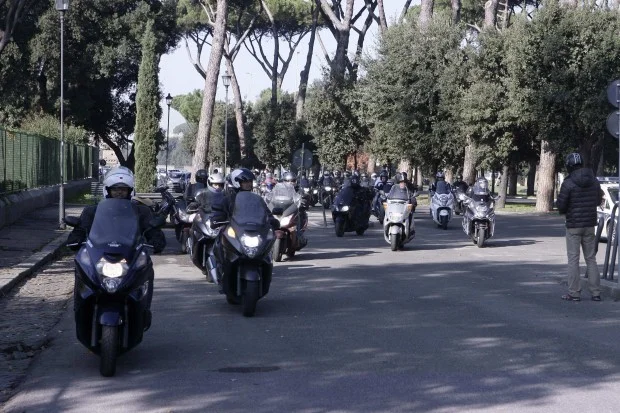
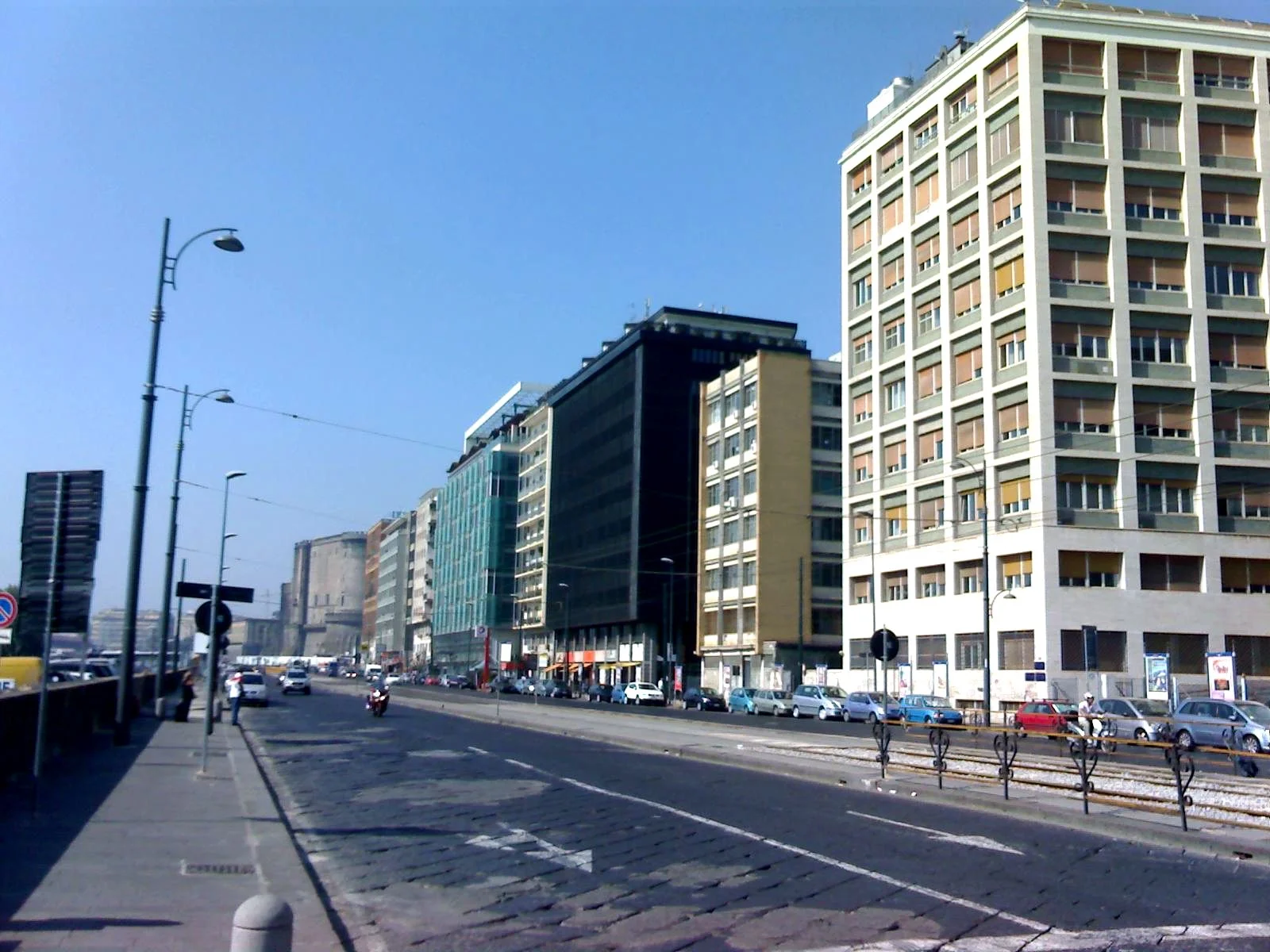
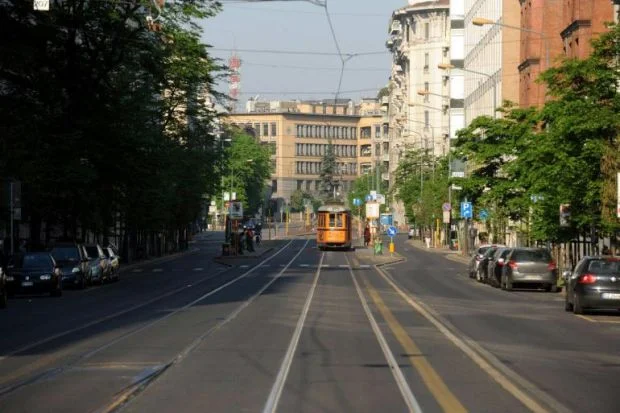
Still not convinced? Read the ISTAT data on the mortality rate of Italian roads. Read the news stories about pedestrians hit:
Rome, capital of accidents. Record number of pedestrians hit and killed - 05/11/2014
Pistoia. Pedestrian hit by a car while crossing on the crossing - 10/26/2014
Pedestrian hit in Palermo Palermo. Man is in serious condition - 02/21/2014
Streets constitute the connective network of the urban environment. Everyone would have the right and freedom of circulation on them. The road network can easily be compared to the neuronal network of our brain; the electrical input that arrives at the synapses arrives there regardless of whether it arose because it is we have moved the hand or the leg and if we decide to move both legs, but if the input does not arrive it means that there is a problem. Now think again about the slightly forced example from before and bring it back to your daily life or look at the photos of the cities a little above: in how many circumstances did you say that you did not want to cross that urban road because it was too dangerous?