
For mobility sustainable means nothing more than that set of actions that allow the person to be able to move in an urban environment in the best possible way.
 Già only the adoption of small measures aimed, for example, at making better and more pedestrian movement is safe a step forward towards mobility sustainable.
In Italy, unfortunately, we have a gap of at least sixty years with reality such as Holland, Germany or Great Britain. These countries from after the Second World War to today have activated a series of actions which over the years have allowed them to be real reference models for mobility. sustainable. They have provided themselves with clear and precise regulations, they have spread the culture of moving sustainably, making their citizens understand that it is not It is convenient to always travel with your own car.
Covering that gap is possible, it is something feasible in a few decades, but we need these three cornerstones:
- Learn from (others) mistakes. Nowadays with the so increasing diffusion of information we can learn from portals such as Eltis.org what the model countries have done and what they are doing. We can learn from their mistakes and buy time;
- Raise awareness. Raising awareness is equally important but it is a process that must arise from the bottom, people must inform themselves and be informed in order to loudly ask politics to initiate the actions necessary to close that gap;
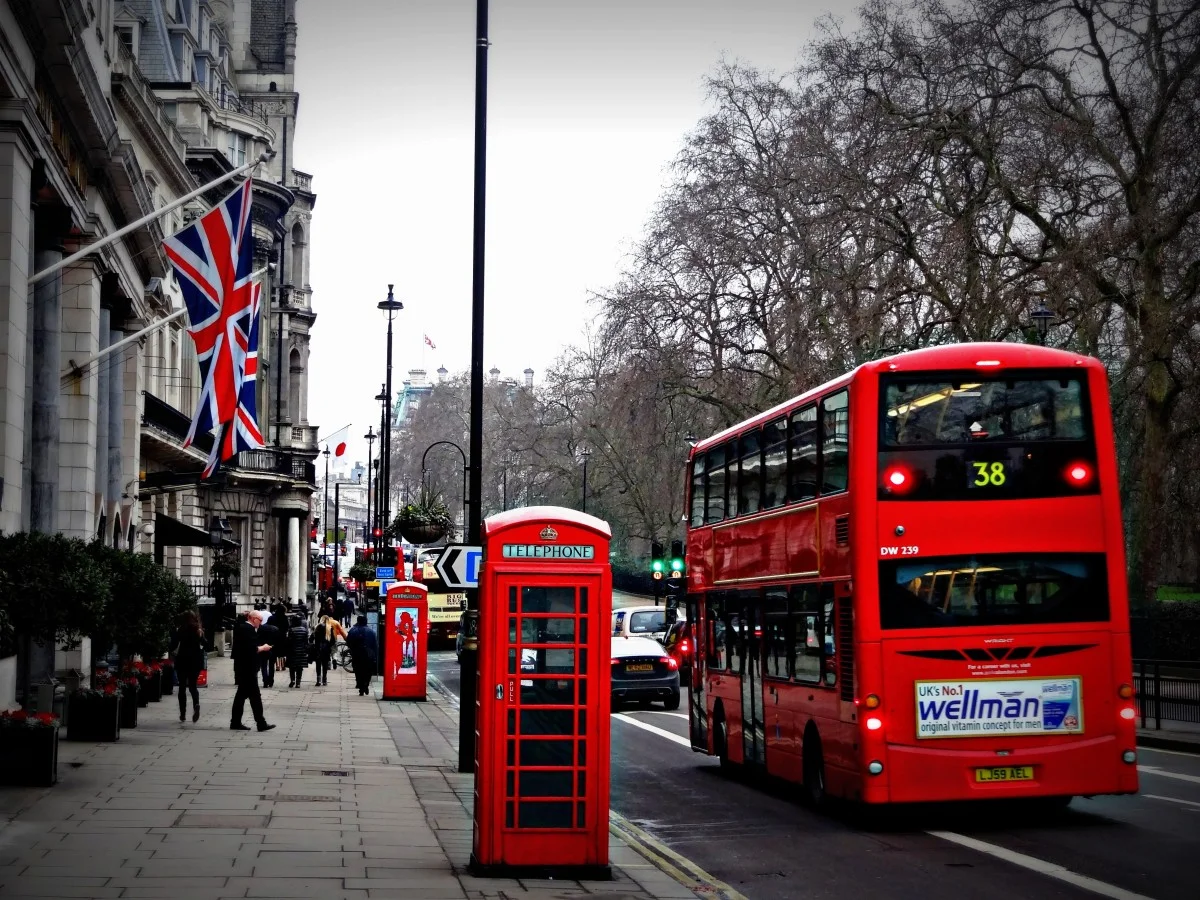
Mobility Sustainable
- A careful and conscientious policy. In addition to acknowledging citizens' requests, politics must also take action, so as it was for the model countries at the end of the 1950s, to legislate taking into account the experiences of others. There are too many Italian laws and regulations that have been disregarded, including: the home-work travel plan, the PEBA or the DECRETE 27 March 1998 of the Ministry of the Environment "Sustainable mobility in urban areas" (GU n. 179 of 3-8-1998). The discrepancy generated by non-compliance with those few rules present is considerable and often produces paradoxes with consequent economic waste.
Putting the human being back at the center of the city generates undoubted environmental, social and economic benefits. The reduction of pollution means that people return to the streets, returning to the streets people return to socialize, to live their daily lives by leaving the passenger compartment of their cars, returning to the streets they are more predisposed to shop in neighborhood shops rather than in shopping centers, contributing to improving the local economy.
These are just some positive aspects obtained from the implementation of mobility policies sustainable.